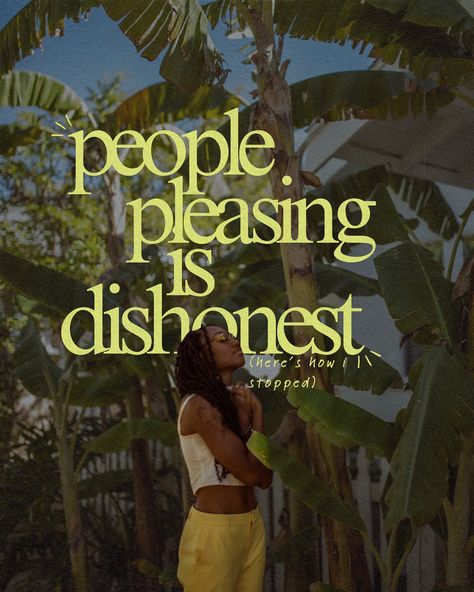
People-Pleasing Isn’t “Being Nice”: Signs You’re Abandoning Yourself.
Ever say yes to covering your coworker’s shift, even when you’re wiped out? Or bite your tongue when your friend picks the movie you hate—again? We call it “being nice,” but deep down, it feels off. People-pleasing isn’t kindness; it’s quietly giving up your own needs to keep others happy. It sneaks into your daily life, leaving you drained and resentful.
If this hits home, you’re not alone. Psychologists say it’s a habit rooted in fear of rejection. A 2023 study in Personality and Social Psychology Bulletin links it to higher stress and low self-worth. This article breaks down people-pleasing signs in real daily moments, why it hurts, and simple steps to stop abandoning yourself. Let’s spot it and fix it.
Why We Do It: The Daily Traps
You start small. Mom calls: “Can you run errands after work?” Boss asks for “one more task.” Friends want drinks when you crave bed. Saying no feels mean, so you cave.
But here’s the truth: People-pleasing skips your voice. It comes from kid stuff—like praise for “good girls/boys”—or past hurts. Harvard Health notes it raises anxiety and burnout risk. In daily life, it looks like this:
- Skipping lunch to help a neighbor.
- Agreeing to plans that drain your weekend.
- Apologizing when you’re not wrong.
Sound familiar? It’s not nice—it’s self-abandonment.
7 Everyday Signs You’re a People-Pleaser (And Ditching Yourself)
Check these real-life flags. If 3+ ring true, it’s time to pause.
- You Say Yes When You Mean No
Daily example: Colleague dumps their report on you Friday night. “Sure!” you say, even with family dinner. Inside, you’re screaming. This kills your plans and builds quiet anger. - You Avoid Fights at All Costs
Partner wants takeout again? You nod, hiding your cook craving. A study in Journal of Personality shows this bottles resentment, exploding later. - Your Needs Stay on the Back Burner
Friends pick the bar; you hate crowds but go. Result? Exhausted Sunday recovery. You’re last on your own list. - Guilt Hits Hard When You Speak Up
Telling your roommate “Please do dishes” feels rude. So you do them. Guilt = people-pleasing fuel, per Psychology Today. - You Apologize for Breathing
Late to coffee because traffic? “Sorry!” first words. Even if it’s not your fault. This shrinks your space. - Burnout is Your Normal
Extra shifts, endless texts, no “me time.” Mayo Clinic ties it to chronic fatigue—your body screams what your mouth won’t. - Relationships Feel One-Sided
You give advice, favors, time. They take, rarely give back. Daily drain.
These aren’t “nice”—they’re signs you’re abandoning yourself for likes.
The Real Cost: How It Messes Your Daily Life
Think it’s harmless? Nope. People-pleasing effects on mental health stack up fast.
- Stress Overload: Constant yeses spike cortisol. A 2022 meta-analysis links it to anxiety disorders.
- Lost Identity: What do you want for dinner? Hard to know after years of others’ picks.
- Weak Bonds: True friends want the real you, not a yes-bot. Fakers fade anyway.
- Health Hits: Poor sleep, skipped meals = weight gain, low mood. Daily grind turns grind-y.
I know a friend—Sarah—who people-pleased her way to a breakdown. Always the “yes girl” at work, she missed her kid’s games. Quit job, therapy, now thriving. Your story?
How to Stop: Daily Steps to Choose Yourself
Good news: You can quit without turning mean. Psych-backed tips for real life.
Step 1: Spot the Pattern
Journal 3 days: “What did I say yes to? How did I feel?” Awareness = power. Apps like Day One help.
Step 2: Practice “No” Like a Muscle
Start tiny: “Can’t do lunch today.” Or “Let’s pick a quiet spot.” Cognitive Behavioral Therapy builds this—no guilt.
Script for Daily Wins:
- Friend invite: “Sounds fun, but I’m beat—rain check?”
- Work ask: “Overloaded now; next week?”
- Family: “Love helping, but need tonight off.”
Step 3: Fill Your Cup First
Block “me time” like appointments. 30-min walk, hobby, nap. Say: “Priorities first.”
Step 4: Build Real Boundaries
Share needs: “I need quiet evenings.” True pals respect it. Losers? Let go.
Step 5: Seek Backup
Therapy apps like BetterHelp unpack roots. Books: The Disease to Please by Harriet Braiker.
Quick Daily Challenge:
| Time | Action | Why It Helps |
|---|---|---|
| Morning | One “me” plan (coffee alone) | Starts day strong |
| Afternoon | Pause before yes (count to 5) | Checks real wants |
| Evening | No screens post-9 PM | Recharge mode |
Consistency flips the script in weeks.
What Happens When You Stop Abandoning Yourself
Freedom feels wild. Energy up, resentment gone, real connections bloom. People respect the “new you.” A 2024 study in Journal of Happiness Studies shows boundary-setters report 28% higher life satisfaction.
You’re not selfish—you’re whole. Daily life gets lighter: Work yeses drop, fun plans rise, guilt fades.
Your Turn: Pick One Sign, Make One Change
People-pleasing isn’t “being nice”—it’s a slow self-sabotage. Spot the signs in your day, choose you. What’s one yes you’ll turn to no this week? Share below—we’re in this.
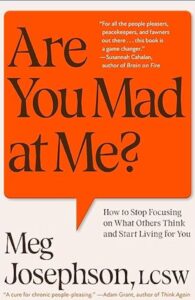
Do read a book ”Are You Mad at Me?” ,
https://share.google/VtBJl1FrDVBgWkyLD
In which the author Josephson explodes the idea that people-pleasing is a personality trait. Instead, she illuminates how it’s actually a common trauma response (also known as “fawning”): an instinct often learned in childhood to become more appealing to a perceived threat in order to feel safe.